



In the desolate refugee camps of Mauritania, a chilling narrative of terror and brutality is unfolding as thousands of Malians seek sanctuary from relentless violence. Eyewitness accounts suggest a new Russian-backed military presence in Mali, known as the Africa Corps, is perpetrating severe human rights abuses, including rapes and beheadings, in conjunction with Malian government forces as they hunt down extremist elements.
Refugees paint a grim picture, alleging that the Africa Corps employs tactics disturbingly similar to its predecessor, the Wagner mercenary group. Reports include entire villages being razed to the ground, with some displaced individuals providing visual evidence of scorched settlements. Distressing testimonies also detail the discovery of loved ones’ bodies mutilated, with vital organs reportedly missing – a horrific practice previously associated with foreign mercenary operations in the region. A village elder, now a refugee, described a ‘scorched-earth policy,’ where soldiers engage in indiscriminate killings without warning or explanation, leaving civilians in a state of constant fear.
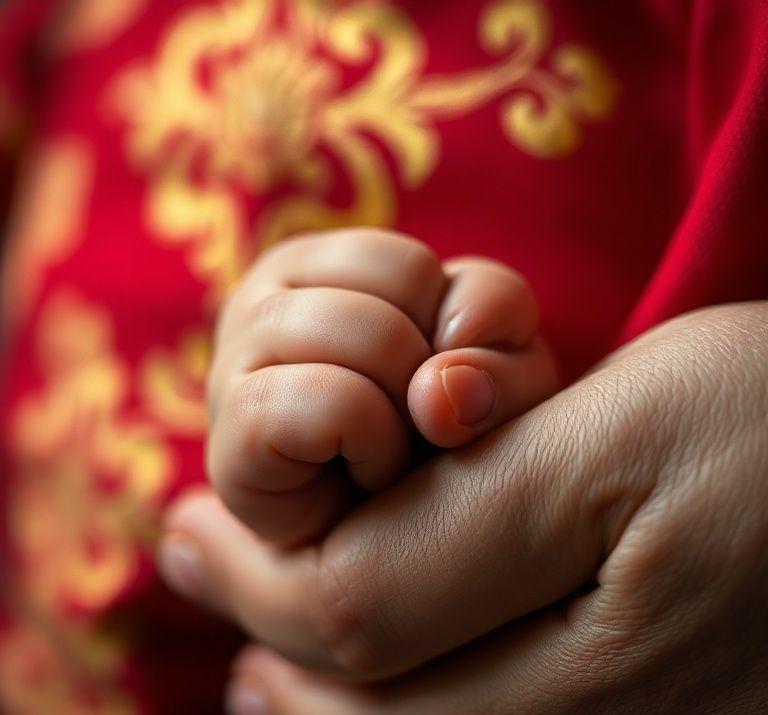
Among the harrowing tales is that of Mougaloa, a herder from northern Mali. She recounted a terrifying early morning raid by masked foreign men speaking an unfamiliar language, accompanied by Malian soldiers. Her 20-year-old son, Koubadi, was brutally interrogated and, despite denying any knowledge of militants, was beaten unconscious before having his throat slit in front of her. Later, the same armed group returned, looting their possessions and verbally abusing them with a derogatory Russian term for ‘dog.’ Mougaloa’s 16-year-old daughter, Akhadya, was dragged away, and her older daughter, Fatma, was taken into a tent, never to be seen again. Mougaloa, clutching Akhadya’s hand, fled in terror, abandoning her older daughter in a desperate bid for survival. Eight months later, Akhadya’s hand remains clenched, a physical manifestation of her trauma.
Another refugee, Fatma, from the village of Kurmare, shared her own tragedy. When foreign men arrived, she stayed with her 18-year-old daughter, who suffered a seizure and fell unconscious. The men looted homes and shot at fleeing villagers. Fatma witnessed her son shot dead at his shop and her brother injured. Her daughter, continuing to suffer seizures, died on the journey to Mauritania. Overwhelmed by loss, Fatma, who belongs to the Fulani ethnic group – often accused by the Malian government of militant affiliations – insists her family members were innocent civilians. She now battles severe anxiety and sleep deprivation, constantly clutching her chest, a stark reminder that ‘life has lost its meaning.’
The transition from the Wagner Group to the Africa Corps six months ago offered a flicker of hope for Malians weary of brutality, but refugees assert that the violence has only intensified. Many who briefly returned home after Wagner’s announced departure found no respite, confirming that ‘only the name has changed.’ Analysts estimate around 2,000 fighters are part of the Africa Corps, with recruits drawn from various nations, including Russia and Belarus. This unit is now deeply integrated with the Malian military, increasing joint offensives, particularly in Mali’s gold-rich northern regions. Malian authorities have yet to publicly acknowledge the presence of either Russian-affiliated group, though Russia’s Foreign Ministry has confirmed the Africa Corps’ active role in Mali at the request of the local government.
Documenting the full extent of abuses in Mali’s remote areas remains challenging due to severely limited access for journalists and aid workers. Humanitarian organizations confirm widespread reports of rape, assault, and killings, leading to family separations, yet identifying the perpetrators definitively is often difficult. Civilians find themselves trapped between extremist groups and the combined forces of the Malian army and Africa Corps. International legal experts highlight that the direct embedding of the Africa Corps within Russia’s Ministry of Defense means the Russian government could be held directly accountable under international law for any war crimes committed by the unit. Efforts by international human rights experts to investigate these allegations have been met with silence from Malian authorities, who reportedly deem such inquiries ‘inconvenient’ for troop morale.
As the crisis deepens, the plight of Malians seeking refuge in Mauritania underscores a region grappling with escalating violence and profound despair. The stories from Douankara and other camps serve as a somber reminder of a conflict that continues to devastate lives, leaving countless individuals to echo Fatma’s lament: ‘I am just someone who is alive and appears as a person that I was — but is not, in fact, living.’